AI-enhanced classic hard rock and heavy metal music videos, live concerts, band interviews, and rare photos — restored in blazing high-definition. Louder, sharper, and heavier than ever. Rediscover the power, attitude, and legacy of real rock music, fully amplified for a new generation.

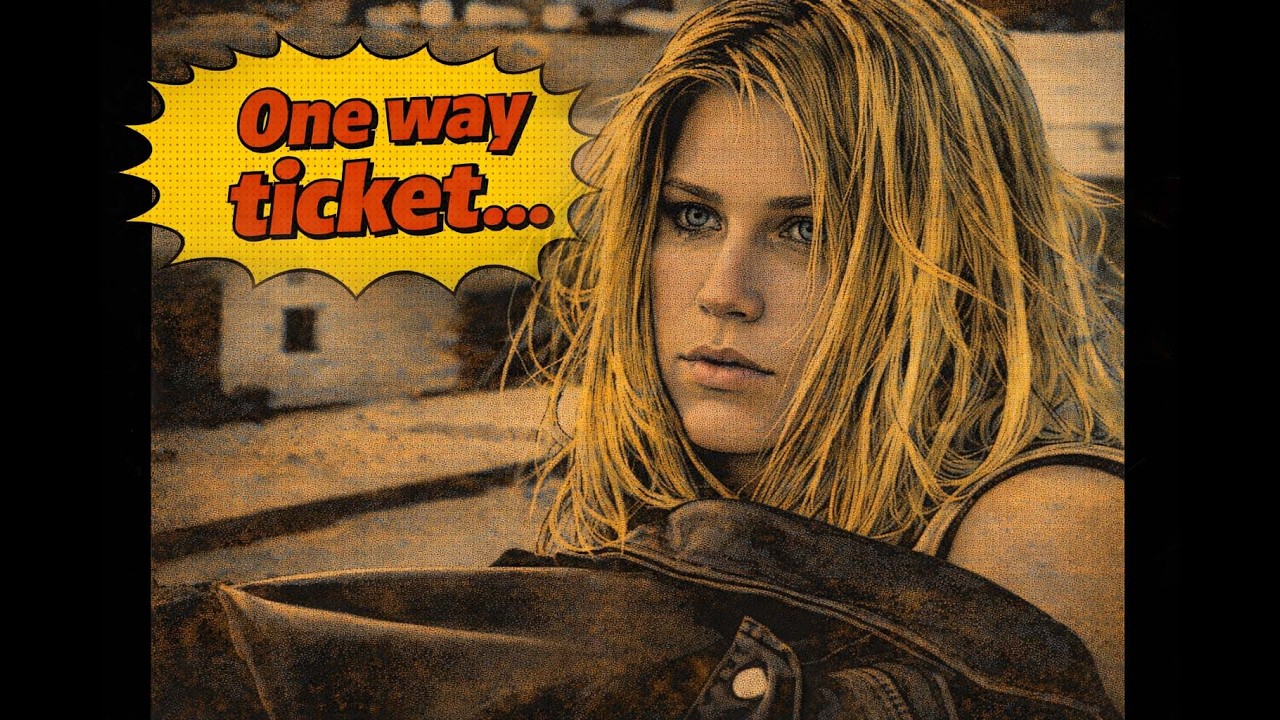
L.A. Guns – "One Way Ticket" | 1988 | VHS | HD 1080p

L.A. Guns - One Way Ticket - 1988 - HD - 1080p ENHANCED
L.A. Guns - One Way Ticket

L.A. Guns’ “One Way Ticket” is pure late-’80s Sunset Strip grit—sleazy, hooky, and built for restless nights with no plan B. The track locks into sharp, blues-soaked riffs from Tracii Guns, a hard-driving rhythm section, and Phil Lewis’ raspy, streetwise vocal snarl. Lyrically it’s all forward motion: burning bridges, chasing freedom, and riding the edge like there’s no turning back.

The music video doubles down on that street-level attitude, favoring mood and momentum over flashy effects. Shot with a darker, gritty look, it blends performance footage with imagery that suggests constant movement—cars, city streets, and late-night energy—keeping the focus on escape, speed, and survival.

With Lewis front and center and Tracii’s no-frills guitar work in the spotlight, the clip feels less like a staged concept and more like a snapshot of the band’s real-world edge. It doesn’t try to tell a complicated story; it sells a feeling—freedom, danger, and commitment to the road ahead—matching the song’s one-way, all-in message.
L.A. Guns – "Electric Gypsy" | 1988 | Metal Mayhem | SAT | HD 1080p

L.A. Guns - Electric Gypsy - 1988 - HD - 1080p ENHANCED
L.A. Guns - Electric Gypsy

L.A. Guns’ “Electric Gypsy” is one of those Sunset Strip cuts that captures the band’s early identity in one shot: loud, lean, and built for the open road. The track comes from their self-titled debut L.A. Guns (released January 4, 1988), and it was later pushed as a single in August 1988—right in the heart of the era when MTV metal clips could turn a hungry band into a must-see name.

Musically, “Electric Gypsy” hits that sweet spot between sleaze and speed—catchy enough to stick, but with a sharper edge than a lot of hair-metal radio fare. Written by Tracii Guns and Phil Lewis, it’s a hooky vocal line riding over tight, street-level riffs that don’t waste time getting to the point.

Lyrically, the song leans into motion and destiny—restless miles, head-clearing wind, and that classic rock ’n’ roll idea that freedom isn’t a place, it’s a lifestyle. It’s part love song, part runaway anthem, and the chorus lands like a promise you make to yourself at 2 a.m. when the city’s still glowing and you’re not ready to go home.

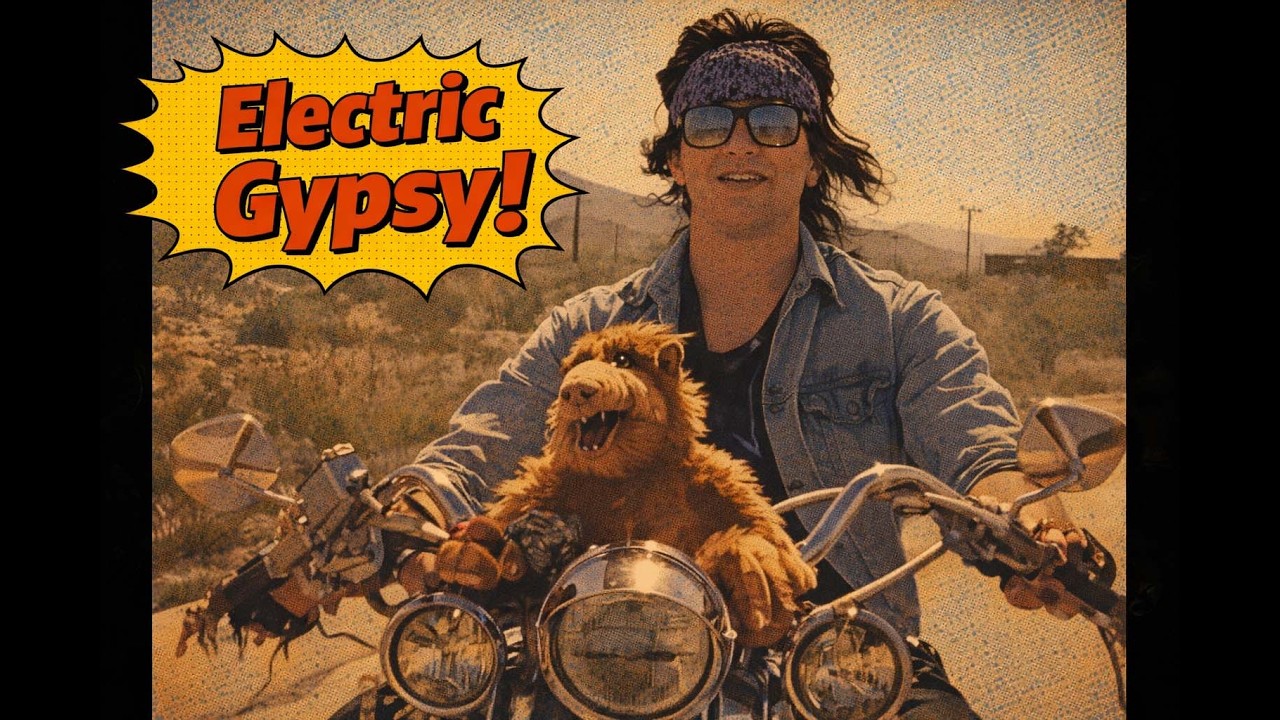
The music video matches the vibe: the band in their natural habitat—attitude first, style loud, and the whole thing framed around speed and freedom. The clip was directed by Ralph Ziman and is remembered for desert/road visuals—motorcycles, wide-open space, and long hair in the wind—a simple concept that sells the “Electric Gypsy” identity without needing a big storyline.

L.A. Guns Electric Gypsy Filming

This photo captures a moment from June 1988 during the filming of the music video for the song "Electric Gypsy" by the glam metal band L.A. Gun.

Location: Barstow, California. Conditions: The video was filmed in 105-degree Fahrenheit heat over the course of 14 hours. Scene: The band members are shown riding motorcycles in the desert near a railroad track.

Vintage 1980s Alf Plush
Guest appearance by '80s icon Alf.

L.A. Guns – “Sex Action” | 1988 | HD 1080p

L.A. Guns’ “Sex Action” is one of the signature anthems to blast out of the late-’80s Sunset Strip—loud, sleazy, and built for neon nights. Released in 1988 off their debut studio album, it helped push the band from club buzz into wider rock visibility. The track rides a bluesy hard-rock riff with a glam-metal shine, but keeps enough grit to feel street-level instead of squeaky clean—powered by Tracii Guns’ swaggering guitar and Phil Lewis’ snarling, confident vocal.

Lyrically, it doesn’t tiptoe—“Sex Action” goes straight for provocation, reflecting the scene’s over-the-top attitude where excess was the point and subtlety wasn’t invited. Fans embraced it as pure “no apologies” rock ’n’ roll, while critics treated it as a perfect example of glam metal’s indulgent reputation. Either way, it nailed the era’s brash, adrenaline-first mindset.

The video doubles down on that identity: performance shots, bright lights, fast cuts, and a stylized club vibe that matches the song’s pulse. With MTV exposure, the visuals became part of the track’s legacy—image and sound working together to sell the band as dangerous, fun, and fully committed to the Strip mythology.

Decades later, “Sex Action” still lands as a defining L.A. Guns moment and a snapshot of glam metal at full volume. Guilty pleasure or genre classic, it’s a time capsule of late-’80s hard rock: flashy, loud, and unapologetic.

Stay Warm, Stay Loud — Rock AMP’D Updates

Hey, guys — hope you’re staying warm and digging the L.A. Guns pictorial. That post took a ton of time (lots of pics, lots of work), but it was 100% worth it. They’re one of my all-time favorites.

I love how enhancing these vintage shots brings them back to life. It honestly feels like I’m restoring them in a way… maybe that’s my OCD talking — but I’m hoping you feel it too.

Stay tuned, because next up I’ll be posting some very cool enhanced videos to go with the pictures. It’s going to take a bit, though — their videography is huge, and the rare stuff is tough to track down clean. Most sources I’m finding are either watermarked to death or straight-up rough VHS quality. (Nothing against VHS — I love VHS — but you know what I mean.)

L.A. Guns | Band Bios | Photos (Phil Lewis, Tracii Guns, Mick Cripps, Kelly Nickels, Steve Riley)

L.A. Guns Comic Band Logo

L.A. Guns are hard rock born from the neon grit of Hollywood’s Sunset Strip—sleazy swagger, sharp hooks, and street-level attitude at the peak of the ’80s explosion. Formed in 1983 by guitarist Tracii Guns, the band came out of the same chaotic L.A. scene that also spawned Guns N’ Roses—Tracii even spent time in an early version of that group before committing fully to L.A. Guns.

Signing with PolyGram in the late ’80s, the band broke through with their self-titled debut and hit a wider audience with Cocked & Loaded, powered by the signature ballad “The Ballad of Jayne.” Bluesy riffs, snarling vocals, and a dangerous, streetwise edge kept L.A. Guns right on the line between glam excess and raw hard rock.

Their mainstream peak arrived with 1989’s Cocked & Loaded, a punchy balance of sleaze and melody that earned heavy MTV rotation. When the ’90s shifted the landscape, L.A. Guns weathered label pressure, lineup changes, and plenty of internal turbulence—yet kept moving with steady touring and new releases.

Through decades of upheaval and reinvention, L.A. Guns have remained defined by Tracii’s fiery guitar work, a no-compromise rock ’n’ roll attitude, and a commitment to the hook-driven danger that made them Sunset Strip staples—and enduring survivors of American hard rock.

In May 2022, L.A. Guns announced a lineup change with Shawn Duncan stepping in as the band’s new drummer, replacing Shane Fitzgibbon. Soon after, guitarist Ace Von Johnson confirmed the group was writing and recording new material. Those sessions led to Black Diamonds (April 14, 2023), and the momentum continued with their sixteenth studio album, Leopard Skin (April 4, 2025).

Leopard Skin delivers a tightly crafted, hook-driven rush of hard rock—melodic, punchy, and cleanly balanced. It scratches that classic ’80s spirit without feeling dated, with L.A. Guns sounding energized and forward moving as they refine their signature style rather than simply relive it.

Tora Tora – "Amnesia" | 1992 | Headbanger's Ball | VHS | HD 1080p

“Amnesia” by Tora Tora is a hard-rock standout from the band’s second album, Wild America (A&M Records, 1992). Recorded at Ardent Studios and produced by Sir Arthur Payson and John Hampton, the track captures Tora Tora’s Memphis-rooted sound with gritty swagger, tight grooves, sharp guitar work, and a chorus that sticks.

Lyrically, the song leans into the idea of relationship “amnesia” — trying to move on while getting pulled right back into the same emotional cycle. Singer Anthony Corder has said the song was co-written with Taylor Rhodes, and it has remained a live favorite thanks to its punchy energy and strong crowd response.

The music video follows a classic early-1990s hard-rock formula: performance-driven, quick-cut, and full of attitude. It opens with Corder rushing in as the band kicks into the song, putting the focus squarely on Tora Tora’s raw stage presence instead of a heavy storyline.

Tora Tora – "Surprise Attack" | Album Art | AI Animation | Pinup Girl | HD 1080p

The album art for Tora Tora’s Surprise Attack is a bold visual statement that mirrors the band’s aggressive, high-energy hard rock sound. Dominated by fiery tones of red, orange, and yellow, the artwork immediately evokes motion, danger, and impact. At the center is a striking image of a tiger lunging forward—a literal play on the band’s name and a symbol of raw power, instinct, and ferocity.

Militaristic, combat-inspired elements reinforce that sense of confrontation. Visual cues suggesting chaos, warfare, and sudden impact frame the tiger, creating the impression of a blitz or ambush rather than a slow advance. The cover leans into the excess and intensity typical of early-’90s hard rock and glam metal aesthetics.

Overall, the Surprise Attack cover works as both branding and promise. Before a single note is heard, it signals forceful riffs, swagger, and adrenaline—capturing a burst of unleashed energy that serves as a fitting visual counterpart to Tora Tora’s sound.

Tora Tora – “Phantom Rider” | Surprise Attack | HD 1080p

“Phantom Rider” is a hard-rock track by American band Tora Tora, released in 1989 on their debut album Surprise Attack. The song reflects the group’s blues-driven hard rock style, blending raw guitar riffs with a memorable melodic hook. Written by vocalist Anthony Corder and Thomas Howard, the lyrics use the “phantom rider” as a metaphor for fate, time, and the relentless movement of life.

Directed by Mark Rezyka, the music video enhances the song’s mysterious atmosphere through a cinematic desert setting. It opens with a solitary motorcyclist riding along a sun-scorched highway before cutting to the band performing in the open desert. Symbolic imagery appears throughout, including a woman dressed in white and an armored, ghostlike rider representing the phantom figure from the song.


Tora Tora – “Faith Healer” | Wild America | HD 1080p

“Faith Healer” is Tora Tora’s breakout hit from their 1992 album Wild America. The song helped launch the Memphis-based band into the spotlight during the late-1980s hard rock era, earning strong radio airplay and regular rotation on MTV. Unlike many glam metal bands of the time, Tora Tora stood out with a blues-influenced, groove-driven sound and a raw Southern rock edge.

Lyrically, “Faith Healer” uses spiritual imagery as a metaphor for desire and emotional salvation, while musically it is driven by a heavy guitar riff and the gritty, powerful vocals of Anthony Corder. The song’s emphasis on groove and atmosphere gave it a tougher feel than many of its contemporaries.

The music video for “Faith Healer” played an important role in expanding the band’s visibility. It features a dark, moody setting that matches the song’s intense tone, blending performance footage with symbolic imagery that suggests mysticism and temptation. Dramatic lighting and shadowy visuals create a sense of mystery, reinforcing the spiritual themes hinted at in the lyrics.

Rather than focusing on a complex narrative, the video highlights the band’s raw performance style and stage presence. This approach helped present Tora Tora as a serious hard rock act and connected them with the MTV audience of the time. The “Faith Healer” video remains a memorable example of late-1980s rock visuals and helped cement the song’s lasting impact.

Tora Tora – “Walkin’ Shoes” | Surprise Attack | HD 1080p

“Walkin’ Shoes” hits like a hard-rock gut punch from Tora Tora’s early-’90s era—groovy, gritty, and driven by a chorus that sticks. It’s a strong cut from the band’s major-label period, locking in their signature mix of Memphis grit, bluesy swagger, and hook-heavy muscle.

Musically, the song rides a classic hard-rock groove with tight rhythm guitar, punchy drums, and a refrain built to hang around. The vocal delivery keeps everything raw and urgent, giving the track more barroom heat than polished gloss and sharpening its attitude even more.

The video matches that same energy—performance-first, band-forward, and fueled by attitude instead of storyline. Like a lot of early-’90s hard rock clips, it leans on stage presence, gritty visuals, and quick edits that move with the beat, keeping the spotlight on the band and the drive of the song.

What really makes “Walkin’ Shoes” work is the balance of groove and grit. It never feels overworked or watered down—just a lean, hook-loaded rocker built for loud speakers and late nights. It captures exactly why Tora Tora stood out: they could hit hard, swing a little, and still keep the melody front and center.

Tora Tora | Band Bios | Photos (Anthony Corder, Keith Douglas, Patrick Francis, John Patterson)

Tora Tora is a Memphis-born hard rock band whose story is rooted in grit, perseverance, and a deep love for loud, no-frills rock and roll. Formed in the late 1980s, the band emerged from a Southern scene that valued feel and fire over flash, blending streetwise attitude with hooks sharp enough to cut through arena-sized amps. The classic lineup—Anthony Corder (vocals), Keith Douglas (guitar), Patrick Francis (bass), and John Patterson (drums)—quickly built a reputation for explosive live shows and tight musicianship. Their relentless gigging and word-of-mouth buzz caught the attention of A&R scouts, leading to a major-label deal at the height of hard rock’s commercial peak.

In 1989, Tora Tora released their debut album Surprise Attack, a record packed with gritty riffs, bluesy swagger, and anthemic choruses. Songs like “Walkin’ Shoes” and “Love’s a Bitch” showcased a band that balanced melody with muscle, earning them MTV exposure and slots alongside some of the era’s biggest acts. Rather than chasing trends, Tora Tora leaned into their strengths—groove, grit, and authenticity. Their follow-up album, Wild America (1992), pushed the sound further, reflecting a band growing heavier and more confident. Despite industry headwinds in the early ’90s, Tora Tora’s songwriting and performances remained strong, though they eventually went on hiatus.

Refusing to let the story end there, Tora Tora regrouped years later with renewed purpose. In 2009, they released Bastards of Beale, a record that sounded lived-in, defiant, and unapologetically real proof that the band had lost none of its edge. Subsequent releases and live performances continued to reinforce their reputation as survivors who never compromised their sound. Today, Tora Tora stands as a testament to hard rock endurance, delivering music forged from the road, the club, and the stubborn belief that rock and roll is forever.

Bang Tango – Headbanger's Ball | Interview by Riki Rachtman | 1991.08.17 | VHS | HD 1080p

The 1991 Headbanger’s Ball interview with Bang Tango, hosted by Riki Rachtman on August 17, captures a vivid snapshot of the band at the height of their momentum during the glam-to-alternative transition of hard rock. Airing during MTV’s peak influence for metal, the segment showcases Bang Tango’s loose, funky swagger and unfiltered personalities, traits that set them apart from many of their Sunset Strip peers. Rachtman’s casual, insider-style interviewing allows the band to speak candidly about their music, influences, and the hedonistic atmosphere surrounding the scene, giving fans an authentic look beyond polished music videos.

The interview highlights the band’s attitude and chemistry while underscoring their commitment to blending sleaze rock with funk and classic rock influences—a relatively uncommon fusion on mainstream metal television at the time. Their relaxed banter with Rachtman reveals a group more focused on groove and feel than image alone, subtly pushing back against glam metal stereotypes. Viewed in retrospect, this Headbanger’s Ball appearance stands as one of Bang Tango’s most memorable media moments, preserving the spirit of a band and an era just as MTV’s metal spotlight began to fade.

Riki Ractman Headbang Comic

Bang Tango – "20th Century Boy" | 1992 | Headbanger's Ball | VHS | HD 1080p

Bang Tango’s version of “20th Century Boy” is a hard-rock cover of the glam-rock classic originally written and recorded by T. Rex in 1973. Released in the early 1990s as part of their live repertoire, the song reflects the band’s signature blend of sleazy hard rock, funk grooves, and late-’80s Los Angeles swagger. While Marc Bolan’s original is rooted in glitter-era glam rock, Bang Tango reworked it with heavier guitars, a raw vocal edge, and a more aggressive live feel that fits squarely within the band’s gritty aesthetic.

The most well-known visual for Bang Tango’s “20th Century Boy” is a live performance video from around 1992, rather than a traditional studio-produced music video. Circulated from television broadcasts and later online uploads, the footage captures the band performing onstage during their peak era, showcasing their high-energy presence and loose, party-driven style. Unlike some of their original singles, the song was never promoted with a major MTV-era concept video, but the live clip endures among fans as a snapshot of Bang Tango’s raw power and their ability to put a hard-rock spin on a glam-rock classic.

Bang Tango – "Dancin´ on Coals" | Album Art | AI Animation | Cover Girl | HD 1080p

The cover artwork for Dancin’ on Coals, Bang Tango’s second studio album released in 1991, reflects the gritty yet stylish visual sensibility of early ’90s rock releases. Part of the album’s official package for MCA/Mechanic Records, the front cover photograph was shot by noted photographer Bob Carlos Clarke, with additional contributions by Heidi Coyle on some editions, confirming a professional rock-oriented photoshoot rather than a candid or stock image.

The imagery typically highlights a striking, evocative figure—prominent in promotional materials and physical copies—framed to reflect the album’s blend of funk-infused rock swagger and seductive edge. While collector listings and discography databases confirm the visual prominence of this figure, no publicly available sources or liner notes identify the model, and there is no widely accepted information naming her in reputable music references.

Bang Tango – “Untied and True” | Dancin’ on Coals | HD 1080p

Bang Tango’s “Untied and True” captures a rough-edged slice of early ’90s hard rock from the band’s second album, Dancin’ on Coals (1991). Released as a single, the track highlights the group’s signature mix of sleazy glam attitude and funk-tinged grooves, a sound that helped distinguish them during a crowded era for hard rock. Produced by John Jansen and released through MCA/Geffen, the song earned modest attention and reinforced Bang Tango’s reputation for swagger-heavy, street-level rock.

The accompanying music video leans into that gritty image with a stripped-down, performance-focused approach. Set largely in a shadowy boxing ring surrounded by chain-link fencing, the clip is punctuated with dancer cutaways that emphasize the song’s pulse and bravado. Visually raw and unapologetic, the video mirrors the band’s charismatic edge at a time when MTV still played a crucial role in breaking rock acts—just as the musical climate was beginning to shift away from the glam-leaning style Bang Tango represented.

Bang Tango – “Someone Like You” | Psycho Café | HD 1080p

The music video for Bang Tango’s “Someone Like You” is a notable example of late-1980s hard rock and glam metal imagery, highlighting the band’s mix of raw energy and stylized attitude. Released in 1989 alongside their debut album Psycho Café, the video received regular MTV airplay on shows like Headbangers Ball and Dial MTV, giving the band national exposure despite modest chart success.

The video’s look is defined by neon lighting, dark settings, and minimal staging, creating a moody, almost cinematic atmosphere. Simple performance shots, dramatic lighting, and constant movement—especially around vocalist Joe Lesté—match the song’s driving rhythm and restless feel. Though the track was not a major hit, the video’s heavy rotation helped make Psycho Café a cult favorite, and it remains remembered for its gritty, late-’80s visual style.

Bang Tango – “Breaking Up a Heart of Stone” | Psycho Café | HD 1080p

Bang Tango’s Breaking Up a Heart of Stone, from their 1989 debut Psycho Café, is a fiery blend of hard rock and funk-tinged grooves that set the band apart from the typical glam metal crowd. The track’s edgy riffs and heartfelt lyrics capture the push-and-pull of emotional vulnerability, while the music video amps up the intensity with dynamic performance shots of frontman Joe Lesté and the rest of the band.

Bathed in dramatic lighting and brimming with stage energy, the video focuses on raw, magnetic charisma rather than flashy storytelling—perfectly reflecting Bang Tango’s unique position in the Los Angeles rock scene. With its infectious hooks and slightly off-kilter style, Breaking Up a Heart of Stone helped cement the band’s reputation as a hard-hitting, yet unconventional, force in late ’80s rock.

Bang Tango | Band Bios | Photos (Joe Lesté, Mark Knight, Kyle Stevens, Kyle Kyle, Tigg Ketler)

Bang Tango is an American hard rock band from late-’80s Los Angeles, blending sleazy glam with funk-driven grooves and punchy bass. Formed in 1988, they stood out by adding funk, punk, and psychedelic colors to the typical hair-metal formula.

They hit the mainstream with their debut album Psycho Café (1989), powered by the hit “Someone Like You”. MTV exposure and steady rock-radio play made them a groove-first alternative to polished glam-metal acts. Follow-ups like Dancin’ on Coals (1991) and Love After Death (1994) continued the focus on thick bass, gritty vocals, and streetwise swagger, even as the early ’90s shifted attention toward heavier rock.

Onstage, Bang Tango earned a reputation for high-energy shows and funk-influenced bass lines driving their signature groove. Despite lineup changes, the band continues to tour and release music, keeping a loyal cult following. Today, Bang Tango remains a glam-era cult favorite—proof that groove, grit, and originality outlast trends.

Ugly Kid Joe – Headbanger's Ball | Interview by Riki Rachtman | 1991.11.09 | VHS | HD 1080p

Ugly Kid Joe’s appearance on MTV’s Headbanger’s Ball on November 9, 1991, documents the band at an early and important moment in their career. At the time, Headbanger’s Ball was one of the most influential outlets for hard rock and metal, giving new and rising bands national exposure through late-night broadcasts that mixed music videos with informal interviews. Hosted by Riki Rachtman, the show was known for its relaxed, fan-driven tone and close ties to the rock and metal community.

In late 1991, Ugly Kid Joe had just released their debut EP, As Ugly As They Wanna Be, which showcased their blend of heavy riffs, groove-oriented rock, and sarcastic humor. The band’s playful attitude and self-aware image set them apart from many of their peers, and this personality came through clearly during the interview.

This interview is especially notable because it took place before Ugly Kid Joe’s major breakout in 1992 with Everything About You. As such, it serves as a snapshot of the group on the rise, just as they were gaining momentum.

Ugly Kid Joe feat. Daniel Mercer – “2 Minute Art School” | Stairway to Hell | HD 1080p

“2 Minute Art School with Daniel Mercer Art” is a short bonus feature included on the DVD portion of Stairway to Hell, a live CD/DVD release from Ugly Kid Joe issued in 2013. Running just under two minutes, the segment appears among the disc’s additional material alongside live performances, music videos, and interview footage.

Artist Daniel Mercer is connected with the visual design and artwork associated with Ugly Kid Joe’s releases and promotional materials. In this quick feature, Mercer presents an informal creative segment for fans. Rather than a music performance, the piece serves as light-hearted bonus content produced specifically for the DVD release.

Ugly Kid Joe feat. Phil Campbell – “Under the Bottom” | Uglier Than They Used Ta Be | HD 1080p

“Under the Bottom” is a track by American hard rock band Ugly Kid Joe, featured on their 2015 album Uglier Than They Used Ta Be — the band’s first full-length release after a long hiatus. The song includes a guest performance by Phil Campbell, guitarist of Motörhead, who also contributed to other tracks on the album, such as My Old Man and their cover of Ace of Spades. Musically, the track is a mid-tempo hard rock number with heavy-leaning riffs and a standout solo by Campbell. The official music video for Under the Bottom premiered in May 2016, aligning with the album’s promotional cycle.

The video primarily features the band performing the song in classic rock-video settings, with appearances by Phil Campbell emphasizing the collaboration both visually and musically.

Uglier Than They Used Ta Be is widely regarded as a strong, cohesive comeback for Ugly Kid Joe, demonstrating their signature blend of heavy riffs, melodic hooks, and seasoned rock sensibilities.

Ugly Kid Joe – “Devil’s Paradise” | Stairway to Hell | HD 1080p

“Devil’s Paradise” is a music video by the American rock band Ugly Kid Joe, released on May 24, 2012, as a preview of their then-upcoming EP, Stairway to Hell. The song and video represented the band’s first new release after a lengthy hiatus, with their previous studio material dating back to the 1990s. Filming took place in Lake Tahoe, Nevada, in early April 2012, and the video was directed by Mike and Dave Hatchett of Standard Films. Although official sources provide few details about the video’s storyline, fans commonly describe it as featuring outdoor performance shots and thematic imagery that align with the song’s dark, rebellious, devil-inspired tone, fitting the hard rock aesthetic of the time.

The track “Devil’s Paradise” appears as the lead song on Stairway to Hell, a six-track EP released digitally on June 5, 2012, shortly after the video debuted. This release marked Ugly Kid Joe’s return to recording and was their first studio effort since 1996. Musically, the song highlights the band’s signature blend of hard rock and alternative metal, driven by a powerful riff and high-energy delivery. As the first video to accompany new material following the band’s reunion, it held particular importance for longtime fans. Later in 2012, the band also released a music video for “I’m Alright,” another track from the same EP.

Ugly Kid Joe – “Bad Seed” | Uglier Than They Used Ta Be | HD 1080p

“Bad Seed” is a track from Uglier Than They Used Ta Be, Ugly Kid Joe’s comeback album originally released in 2015, marking their first full-length release in nearly two decades. The song highlights the band’s evolution, blending gritty hard rock and metal influences with their trademark attitude and riff-driven sound. The official video for “Bad Seed” was released in December 2023 and uploaded to the band’s official YouTube channel. Rather than following a narrative or concept, the video is built around live performance footage, featuring energetic concert clips that capture the band on stage and engaging with the crowd.

The “Bad Seed” video was filmed during Ugly Kid Joe’s 2023 European tour, showcasing on-the-road moments and live performances from their summer shows. Filming and editing were handled by Ashley Barry, resulting in a raw, documentary-style presentation that emphasizes the band’s stage presence and strong connection with fans. The focus remains on authentic performance energy instead of scripted scenes or storytelling, serving as a visual companion to the song’s gritty vibe and rock ethos. The video’s release was timed to support Ugly Kid Joe’s continuing tour activity and related live appearances.

Ugly Kid Joe – “I’m Alright” | Stairway to Hell | HD 1080p

“I’m Alright” is a hard-rock track by the American band Ugly Kid Joe, released as a single from their 2012 EP, Stairway to Hell. The EP marked the band’s first studio recording since their 1996 album Motel California and their first EP since 1991’s As Ugly as They Wanna Be, making it a notable return after a long hiatus. The official music video for “I’m Alright” premiered on November 12, 2012, several months after the EP’s release. Directed by Chris Berkenkamp and produced by DionysusCo. Entertainment, the video became one of the key visual statements supporting the band’s reunion era.

Both the song and its video showcase Ugly Kid Joe’s trademark mix of gritty guitar riffs, melodic hooks, and irreverent attitude—elements that defined their early 1990s success and were revisited with fresh energy on Stairway to Hell. The video leans into the band’s rock-and-roll identity, featuring performance-driven visuals, raw stage presence, and references to both classic and modern rock styles. Notably, the band launched a Kickstarter campaign to help fund the video’s production, inviting fans to contribute to equipment rental, crew costs, and post-production, highlighting their independent and fan-supported approach following their re-formation.

The EP’s title, Stairway to Hell, is a playful mash-up of Led Zeppelin’s Stairway to Heaven and AC/DC’s Highway to Hell, and the cover art incorporates both bands’ iconic typefaces, reinforcing Ugly Kid Joe’s blend of homage and rock humor. In 2013, the EP was reissued with three acoustic bonus tracks and additional video content. This enhanced edition included the “I’m Alright” video on DVD, along with other visual material that offered fans a deeper look into the band’s creative revival.

Whitfield Crane Comic Art